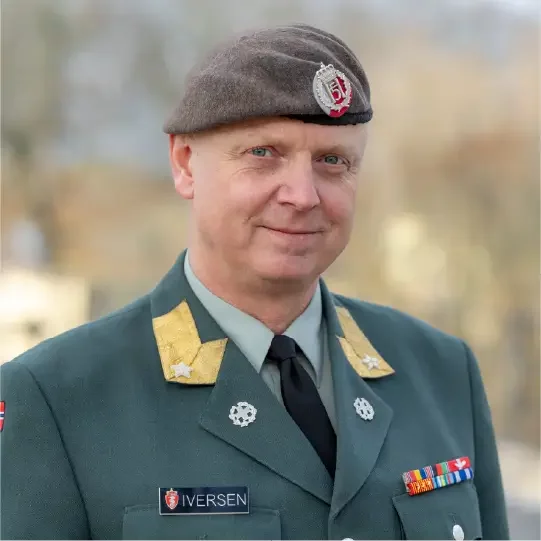
Dr. AndrewHebbeler Ph.D.
Director of Biosecurity
Dr. Andrew M. Hebbeler, PH.D., has an extensive track record of addressing critical global health challenges at the intersection of health, science and technology, and of Biosecurity, Currently, he is the inaugural Director of Bio security at the Coalition of Epidemic Preparedness Innovations (CEPI). From 2021-2023, he served as the Principal Assistant Director for Health and Life Science at the White house office of science and technology Policy and played to accelerate scientific capabilities development for pandemic prevention, preparedness, and response, reduce safety and security risks of life sciences research, and strengthen global health security. He was driving force behind development of the American Pandemic Preparedness Plan, the U.S. National Biodefense Strategy, and U.S. support for the 100Days Mission. From 2020-2021, he was Senior Director and Lead Scientists for Global Biological Policy and Programs at the non-profit Nuclear Threat Initiative. Previously, he served in leadership positions at the State Department’s offices of Science and Technology Cooperation (OES/STC), the Science and Technology Adviser to the Secretary of State (E/STAS), and Cooperative Threat Reduction (ISN/CTR). From 2013-2015, he was Assistant Directory for Biological and Chemical Threats in White House Office of Science and Technology Policy where he oversaw American S&T efforts to combat infectious disease and chemical weapon threats. From 2011-2013, Dr. Hebbeler led the State Department’s Biosecurity Engagement Program, a $40M program that secured potentially dangerous biological material and dual-use infrastructure and expertise, while supporting efforts to combat infectious disease and enhance public and animal health worldwide. Dr. Hebbeler was born in Cincinnati, Ohio and received his bachelor’s degree in biology and philosophy from Thomas More University in Crestview Hills, Kentucky. He completed his doctoral work in the laboratory of C. David Pauza at the University of Maryland, Baltimore where he focused on understanding an unconventional lymphocyte population involved in immune responses to infectious disease and cancer. Before joining the State Department, Dr. Hebbeler was a postdoctoral fellow in the laboratory of Warner C. Greene at The J. David Gladstone Institutes I San Francisco, California.